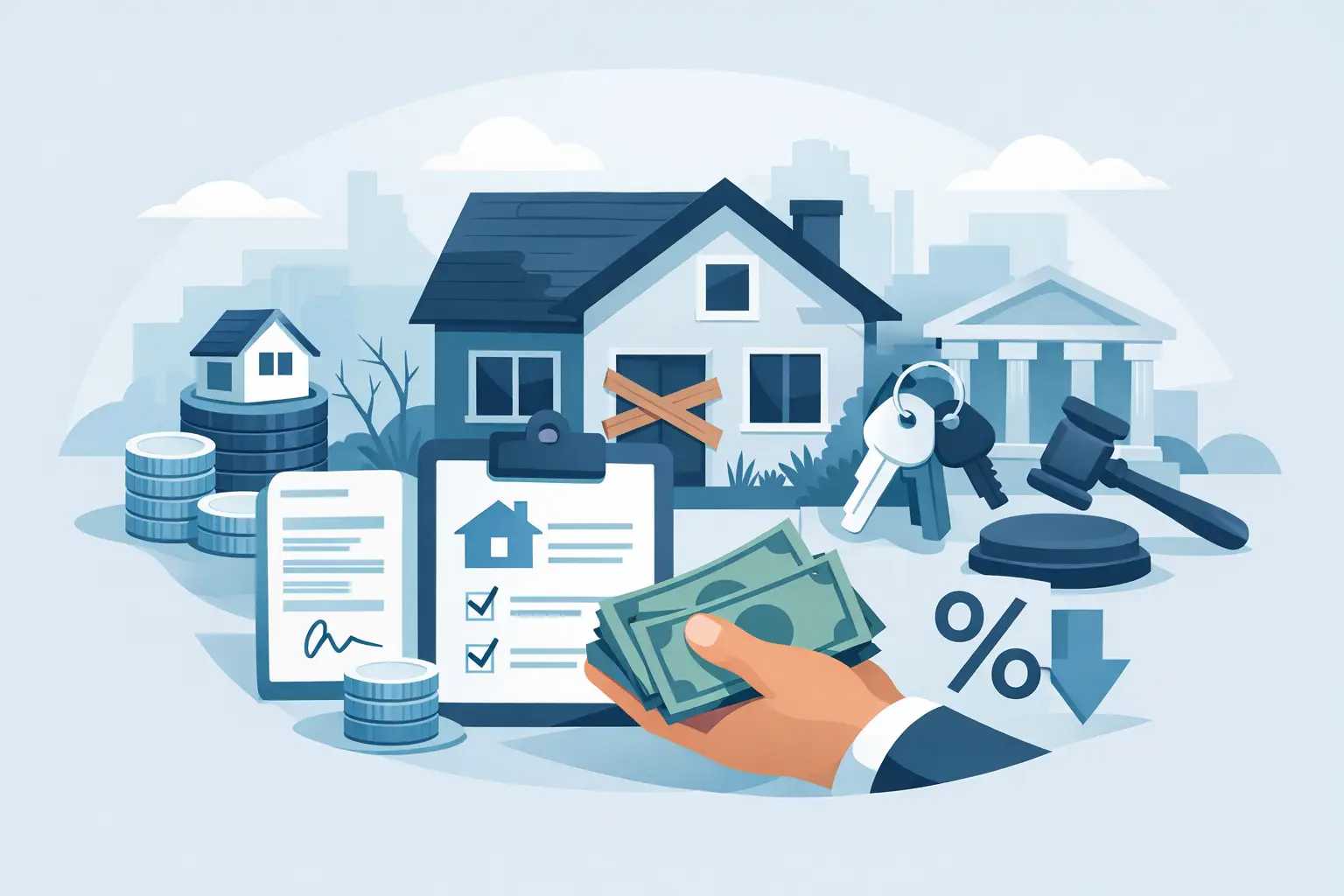
A foreclosed home can look like a bargain on paper, then turn into a financing problem the moment the lender reviews the property condition. That is why buyers asking how to finance foreclosed homes need to think about two things at the same time: the property and the loan. Price matters, but finance approval often comes down to whether the home is livable, insurable, and worth the contract amount.
For owner-occupants, second-home buyers, and investors, the financing path is not always the same. Some foreclosed homes are move-in ready and fit standard loan programs. Others need repairs, title work, utility activation, or extra cash reserves before a lender will move forward. The best approach is to match the property type to the financing method before making an offer.
How to finance foreclosed homes without surprises
The simplest foreclosure purchases are bank-owned or agency-owned homes in decent condition. If the property has functioning major systems, no major safety issues, and can meet appraisal standards, conventional financing may work well. This is often the first option buyers should review because rates and down payment structures can be competitive, especially for qualified borrowers.
FHA financing can also work for some foreclosed homes, but only if the property meets minimum property standards. Peeling paint, missing fixtures, roof issues, exposed wiring, broken windows, or non-functioning plumbing can cause trouble. Buyers sometimes assume a lower down payment means an easier path, but with distressed inventory, the property condition can be the bigger issue than the credit profile.
VA and USDA loans may be available in certain cases too, though they tend to be even more sensitive to condition and eligibility rules. If you are buying a foreclosure with one of these programs, it helps to review the listing details carefully and ask early whether the seller will allow the utilities to be turned on for inspections and appraisal requirements.
When the home needs work, renovation financing may be the better fit. A renovation loan combines purchase price and repair costs into one mortgage, which can make sense if the property is structurally sound but clearly not loan-ready in its current state. This route can be practical, but it is not quick. The paperwork is heavier, contractor bids are usually required, and timelines can stretch beyond what some institutional sellers prefer.
Cash is the cleanest option for distressed assets with major problems, title complications, or delayed utility access. That does not mean cash is always the smartest use of funds. Some buyers pay cash to close quickly, then refinance later after repairs are completed. Others use hard money or private lending for speed, then exit into conventional financing. The trade-off is cost. Short-term capital is usually more expensive, and refinance timing is never guaranteed.
The main financing options for foreclosed homes
Conventional loans are usually best for homes that are already financeable. If the foreclosure is in solid condition, this option can keep borrowing costs lower over time. It also tends to be familiar territory for banks and servicers selling REO inventory. The challenge is that the appraiser still needs to support value and note any condition concerns that affect loan approval.
FHA loans can help buyers who need a lower down payment, but they are less forgiving when the property has visible deferred maintenance. If the foreclosure has been vacant for a while, even small issues can stack up fast. A missing handrail, water damage, or an old roof may matter more than the buyer expects.
Renovation loans, including FHA 203(k) or conventional renovation products, are designed for homes that need work. These loans can be useful for buyers who want to preserve cash while handling repairs properly from the start. Still, they require patience and planning. The lender will want repair estimates, and the seller may not wait if they have stronger offers.
Hard money and private financing are more common on the investor side. These products can close quickly and may be less focused on borrower income than a traditional mortgage. The trade-off is straightforward: rates are higher, fees are higher, and the margin for error is smaller. This option works best when there is a clear repair and exit strategy.
Portfolio loans can also matter, especially when a buyer is working with a lender that keeps loans in-house rather than selling them on the secondary market. These lenders may have more flexibility on unique properties, mixed-condition homes, or borrowers with nontraditional income. Flexibility helps, but terms vary widely, so buyers need to compare costs carefully rather than focusing only on approval.
What lenders look at before approving the deal
Foreclosure financing is not just about your credit score and debt-to-income ratio. Lenders are looking at the asset itself. They want to know whether the home can serve as acceptable collateral on closing day. If the property has severe damage, missing components, health hazards, or occupancy issues, financing may fail even when the borrower is well qualified.
Appraisal is one major pressure point. In a competitive situation, buyers may offer above list price to secure the property. If the appraisal comes in low, the lender will base financing on the lower value, not the contract price. That can force the buyer to bring in more cash or renegotiate. With foreclosures, pricing can be sharp, but condition and neighborhood comps do not always line up neatly.
Insurance is another issue buyers sometimes underestimate. If the home has roof damage, electrical concerns, or vacancy-related deterioration, insuring it may be harder than expected. No insurance means no loan closing. This matters even more in markets where weather exposure and property condition can affect underwriting from multiple directions.
Title matters too. Foreclosed homes can involve unpaid balances, recorded documents, or transaction quirks that require review before closing. While many REO sellers deliver clear title, buyers should not assume every file will move smoothly. Delays in title clearance can affect rate locks, closing dates, and repair planning.
How to prepare before you make an offer
The strongest buyers get financing lined up before they fall in love with a distressed property. A full underwriting review is better than a basic prequalification, especially if the listing is bank-owned or government-owned and response times are tight. Sellers in this space often favor certainty over conversation.
It also helps to build a realistic cash picture. Even when using financing, buyers may need earnest money, inspection costs, appraisal fees, reserves, repair funds, and a cushion for issues found after closing. Foreclosed homes are rarely the right place for a zero-margin budget.
Property review should happen early. Read the listing remarks closely, but do not stop there. Ask whether utilities are on, whether the seller will complete any repairs, whether the property is being sold as-is, and whether there are offer deadlines or contract addenda that affect financing timelines. Many institutional sellers are highly process-driven, and missing one requirement can put an otherwise solid offer behind the pack.
In Puerto Rico and other specialized markets, local knowledge can make a measurable difference because distressed inventory does not always behave like standard resale property. ArroyoLaRue Realty works in this segment, which matters when buyers need help sorting through REO, HUD, and other institution-owned opportunities with financing in mind rather than price alone.
Common mistakes buyers make when financing foreclosures
The first mistake is choosing the loan before understanding the property. A buyer may get approved for FHA, then target homes that clearly need repairs FHA will not accept. The approval is real, but it is not useful for that inventory.
The second mistake is underestimating repair costs. Foreclosed homes often need more than cosmetic work. Water intrusion, HVAC replacement, electrical updates, and mold treatment can change the numbers quickly. If the financing plan only works under best-case assumptions, it is too fragile.
The third mistake is treating speed as optional. Bank and agency sellers typically work on deadlines, forms, and strict procedures. Slow lender response, missing documents, or incomplete proof of funds can cost the deal.
The fourth mistake is assuming all low prices are good values. A discounted home that cannot be financed conventionally, needs major repairs, and sits on the market because of title or condition problems may still be the right purchase, but only with the right structure. Cheap and financeable are not the same thing.
A good foreclosure purchase starts with honest math and the right loan match. If the property is clean and financeable, use the lowest-cost long-term option that fits your goals. If it needs work, build the repair plan first and choose financing that can carry the real condition of the home, not the version you hope it becomes.
Leave a Reply